About
Services
Projects
News & Insights
Inspiration
Contact



© 2026 Tisserin Engineers
Privacy PolicyCookie PolicyTerms & ConditionsBranding and web design:
Alice Bosc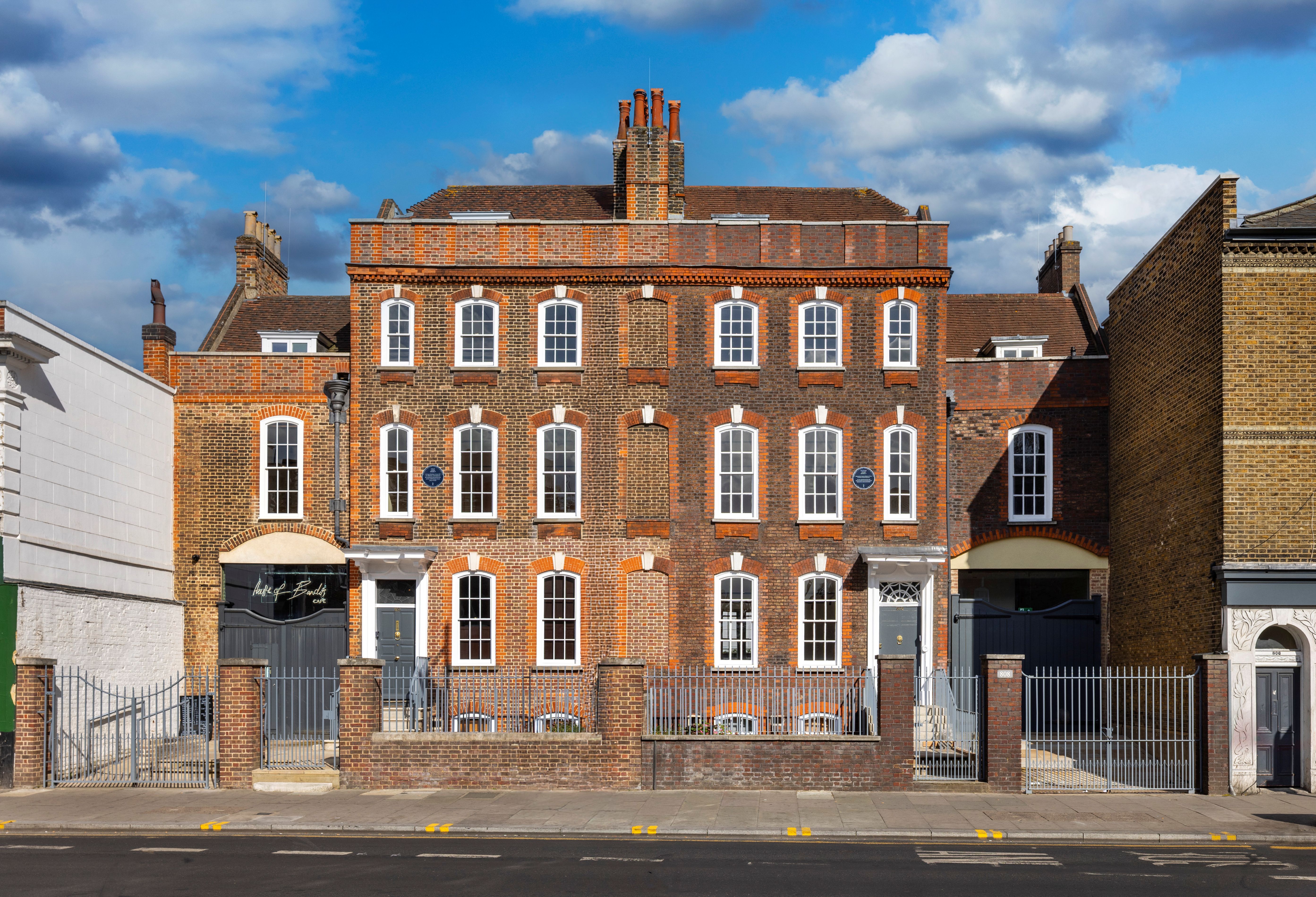

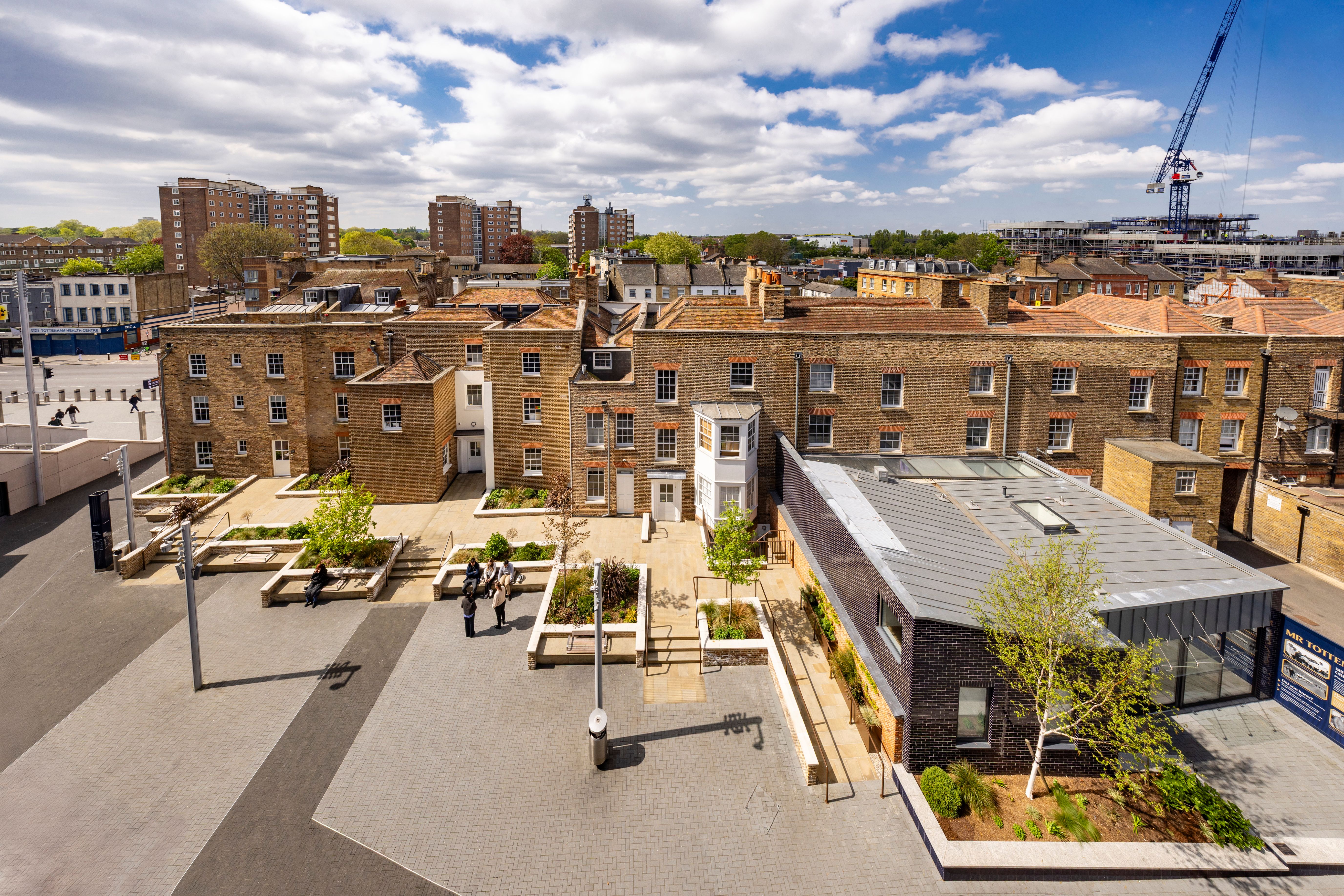
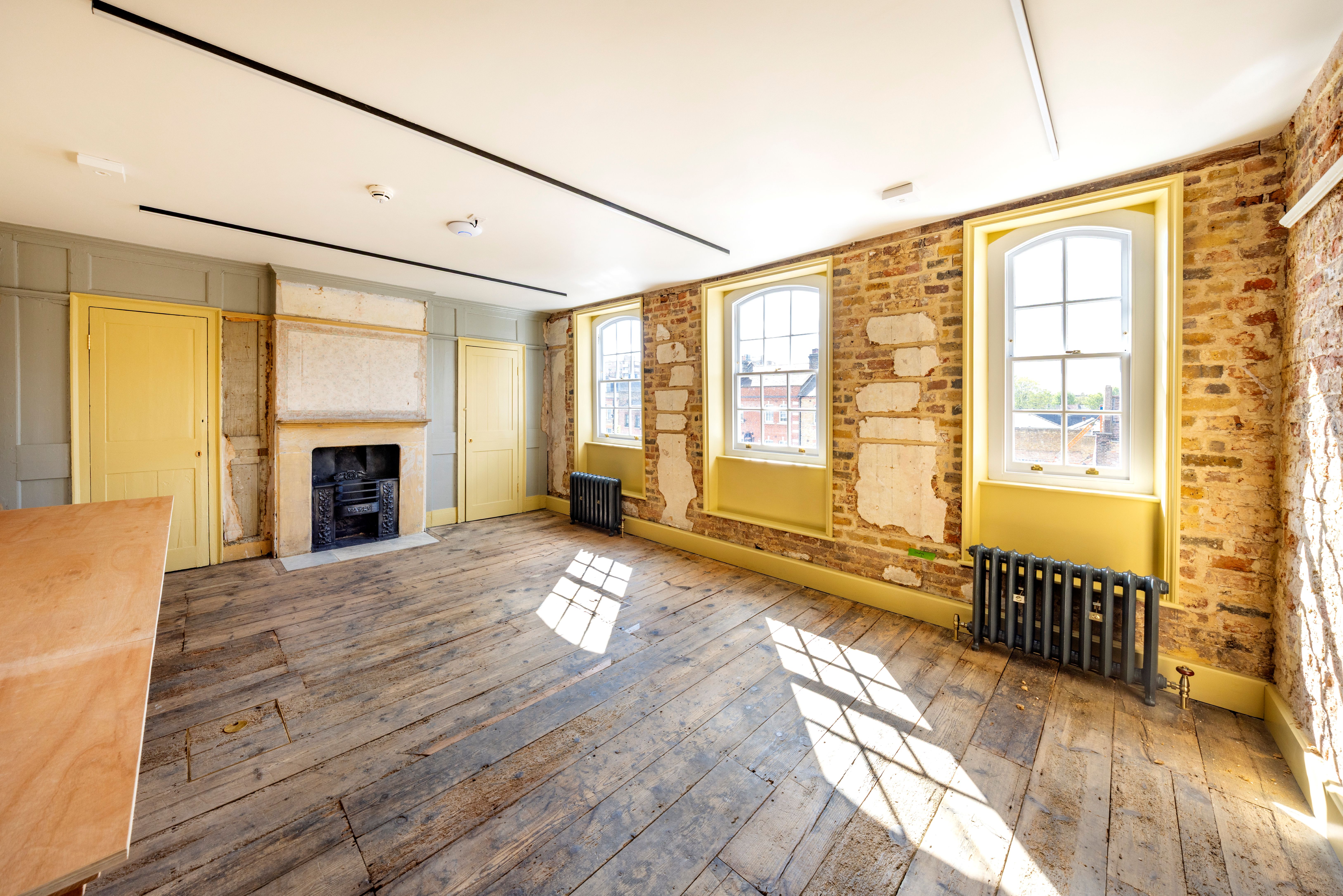
The Tottenham Paxton 17 Creative Quarter was designed to coordinate improvements and regeneration along the Tottenham High Road Historic Corridor, with the buildings becoming an exemplar of high quality and sensitive restoration of the local heritage, and the area benefits from investment and growth as a result.
Prior to this refurbishment programme the premises were effectively derelict with an accumulation of historic fire damage, wartime damage, leakage, structural movement and deterioration, and a number of badly conceived alterations and additions.
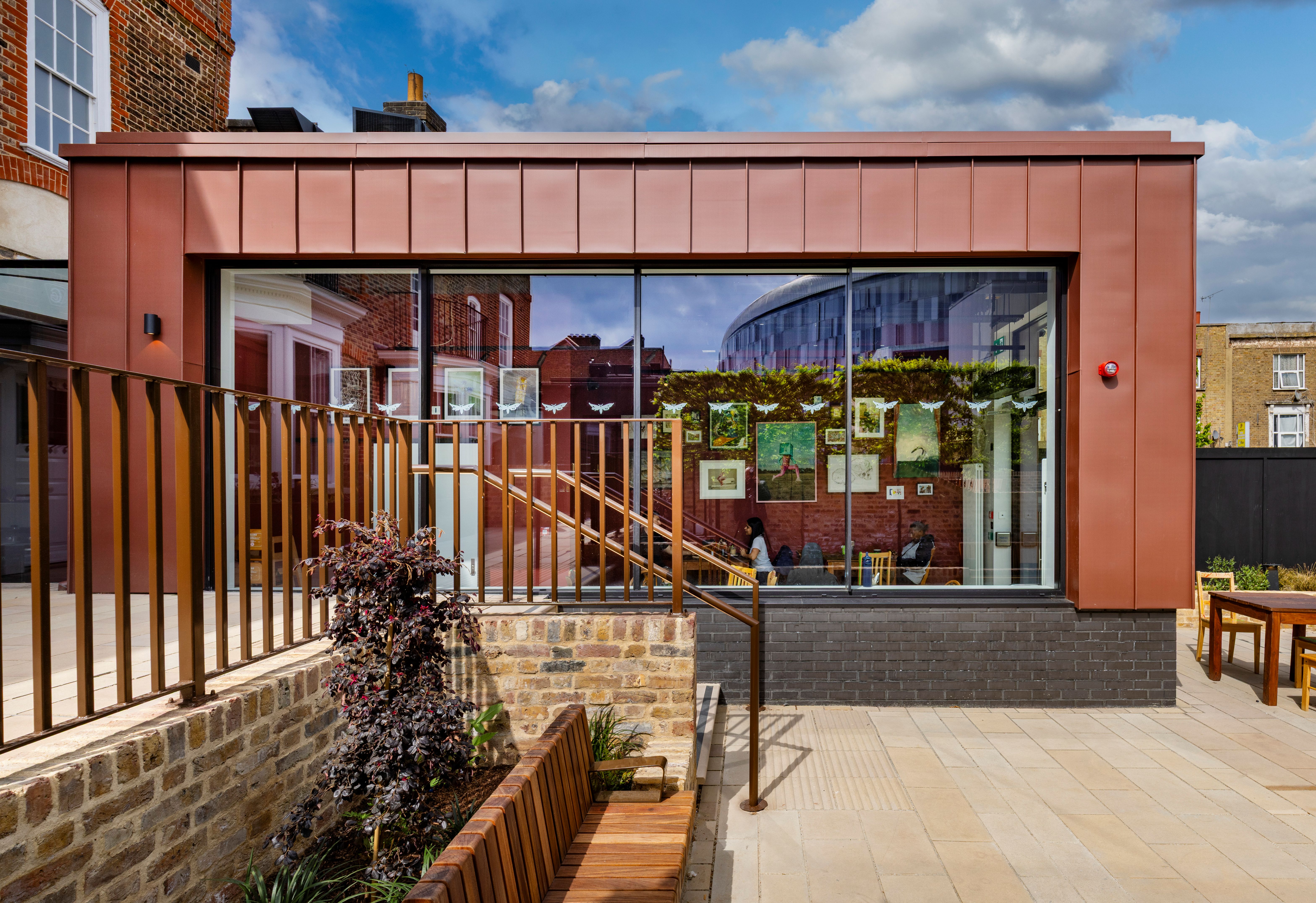
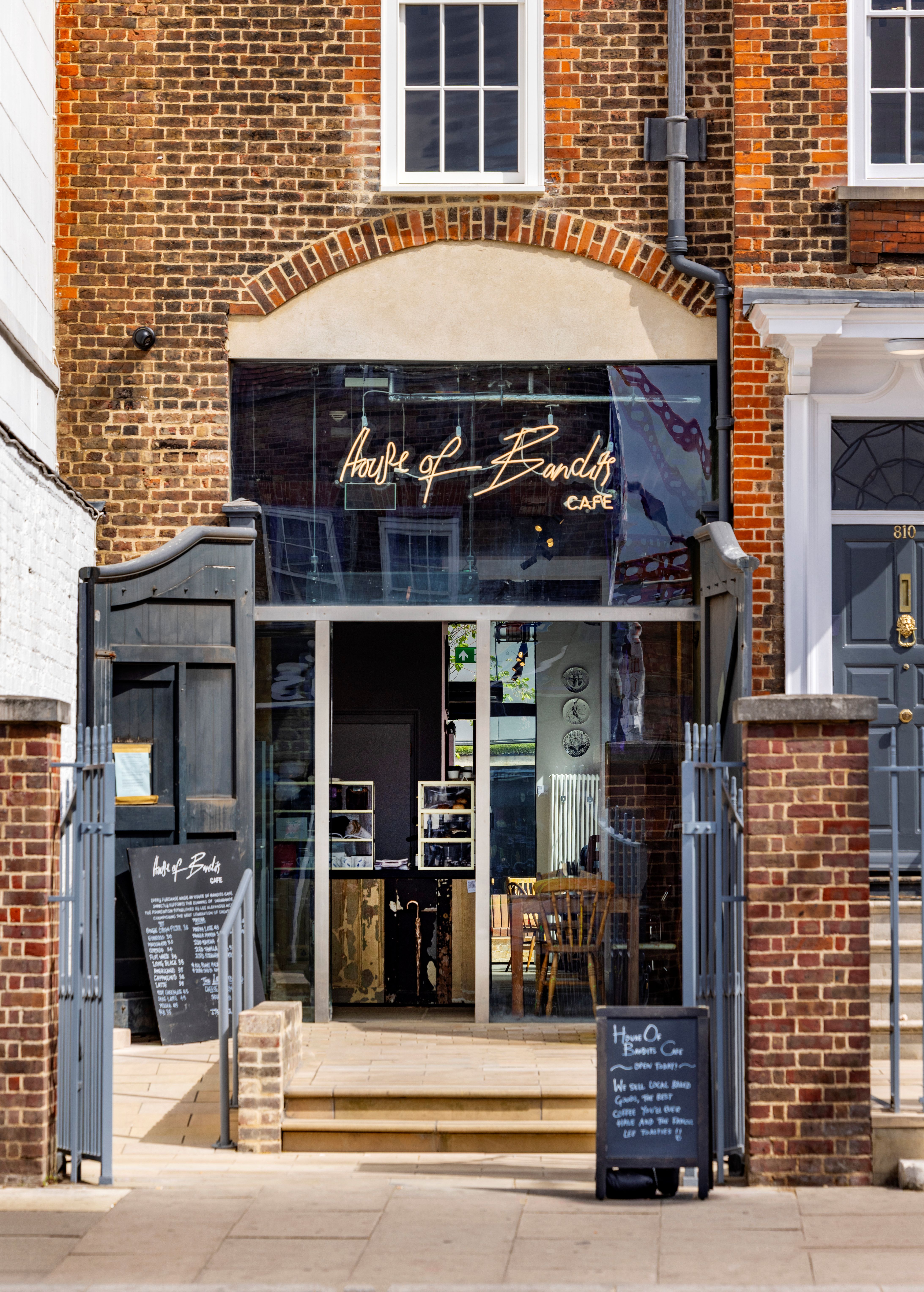
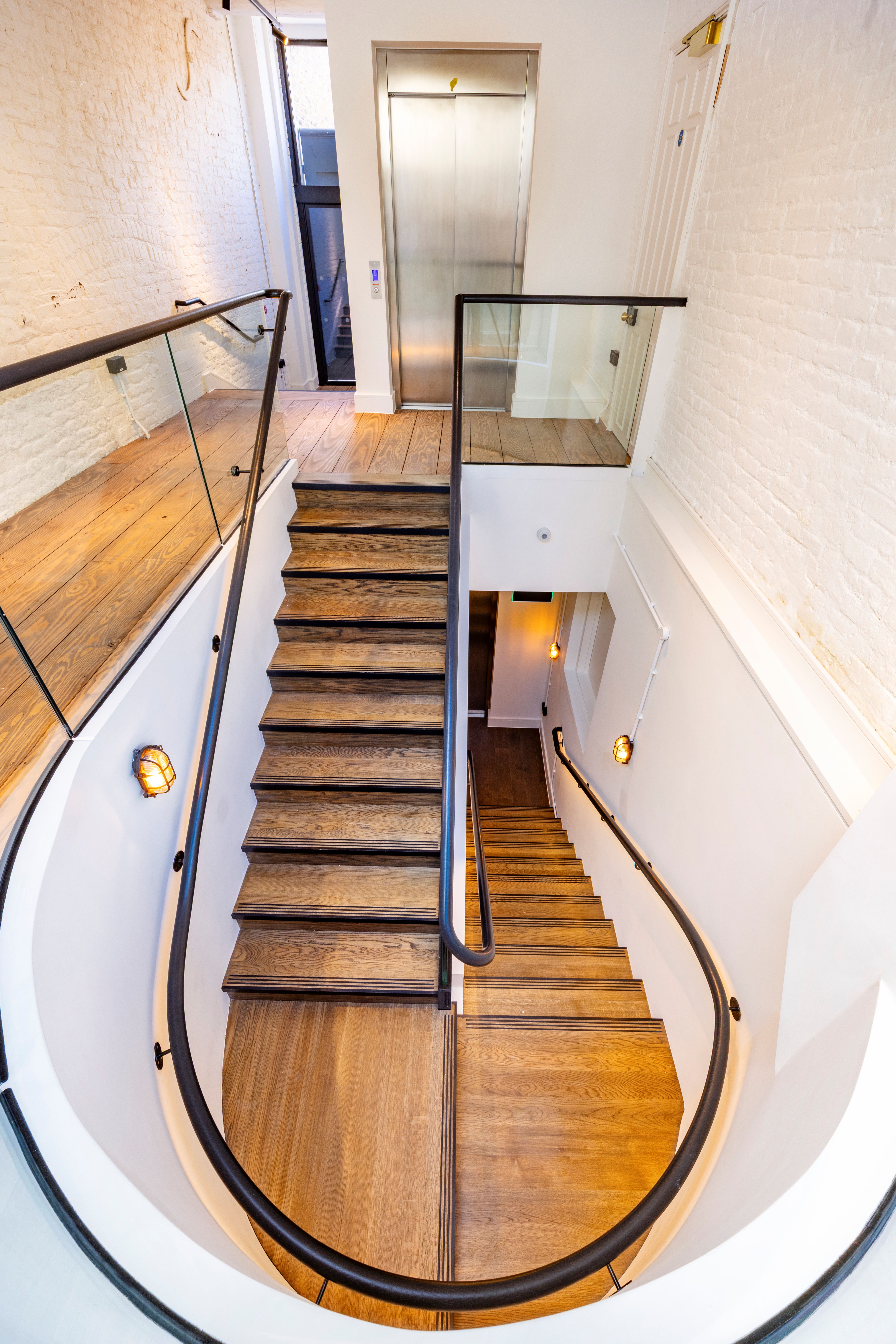
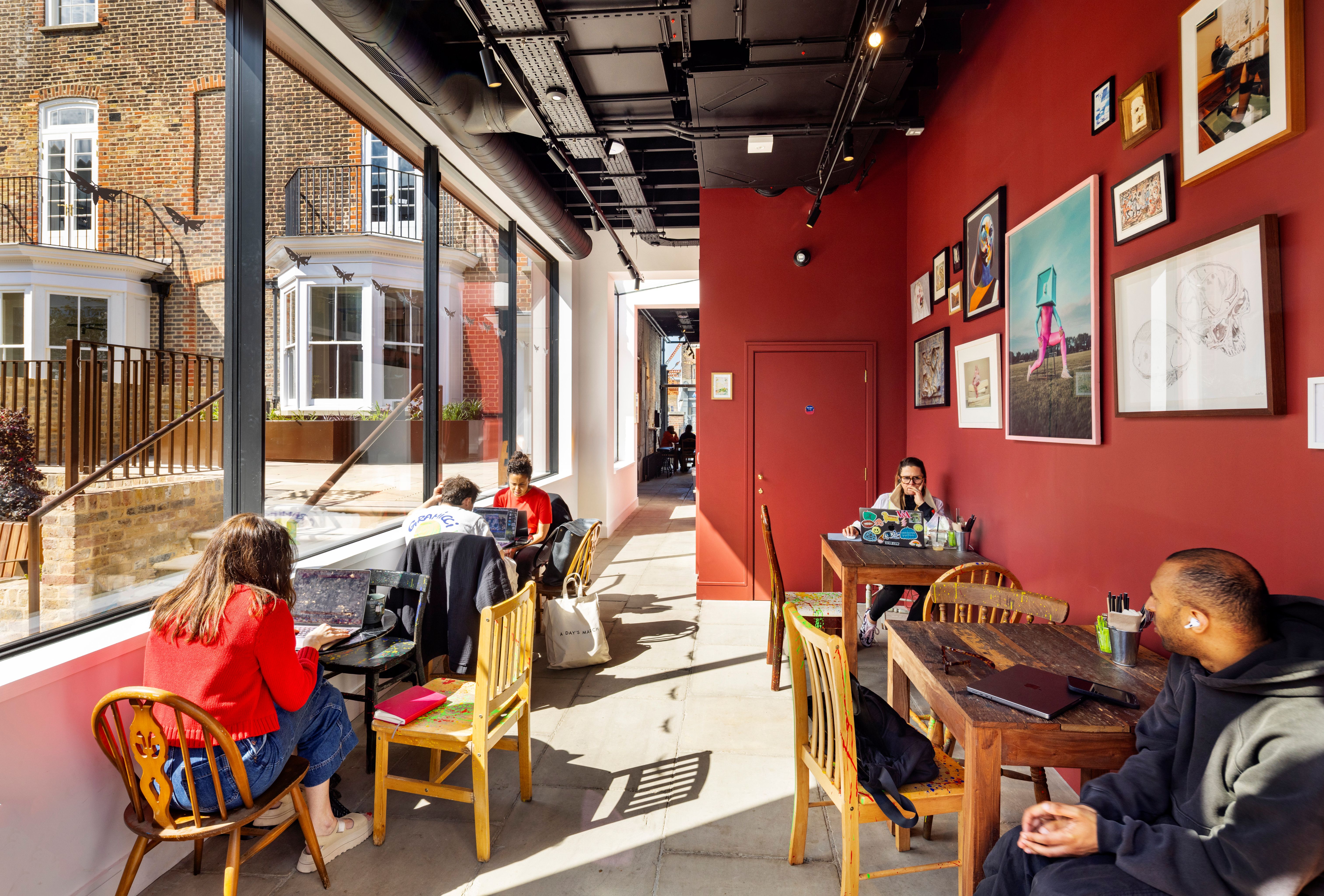
The project saw all of these issues addressed and resolved, together with construction of a new basement space to the rear, a new contemporary café space to the rear of 810, and a contemporary gallery extension to the rear of 808. A lift was installed to improve accessibility, and extensive upgrading of building services to current standards carried out.
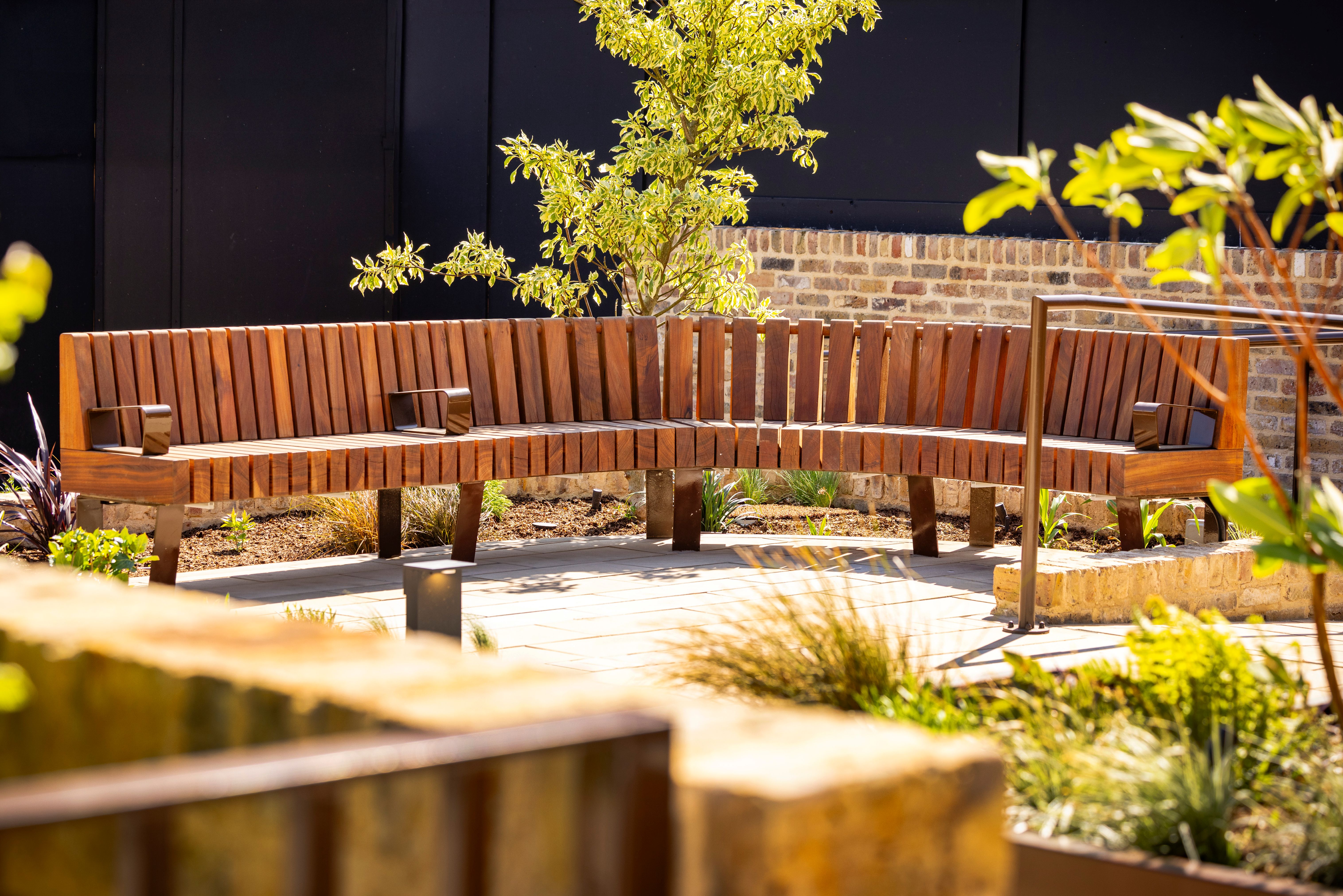
A bespoke soft and hard landscaping scheme working with the natural contours of the site was also worked up with close collaboration between the architects, landscape designer, and Tisserin. Both structural and civil engineering services were provided.
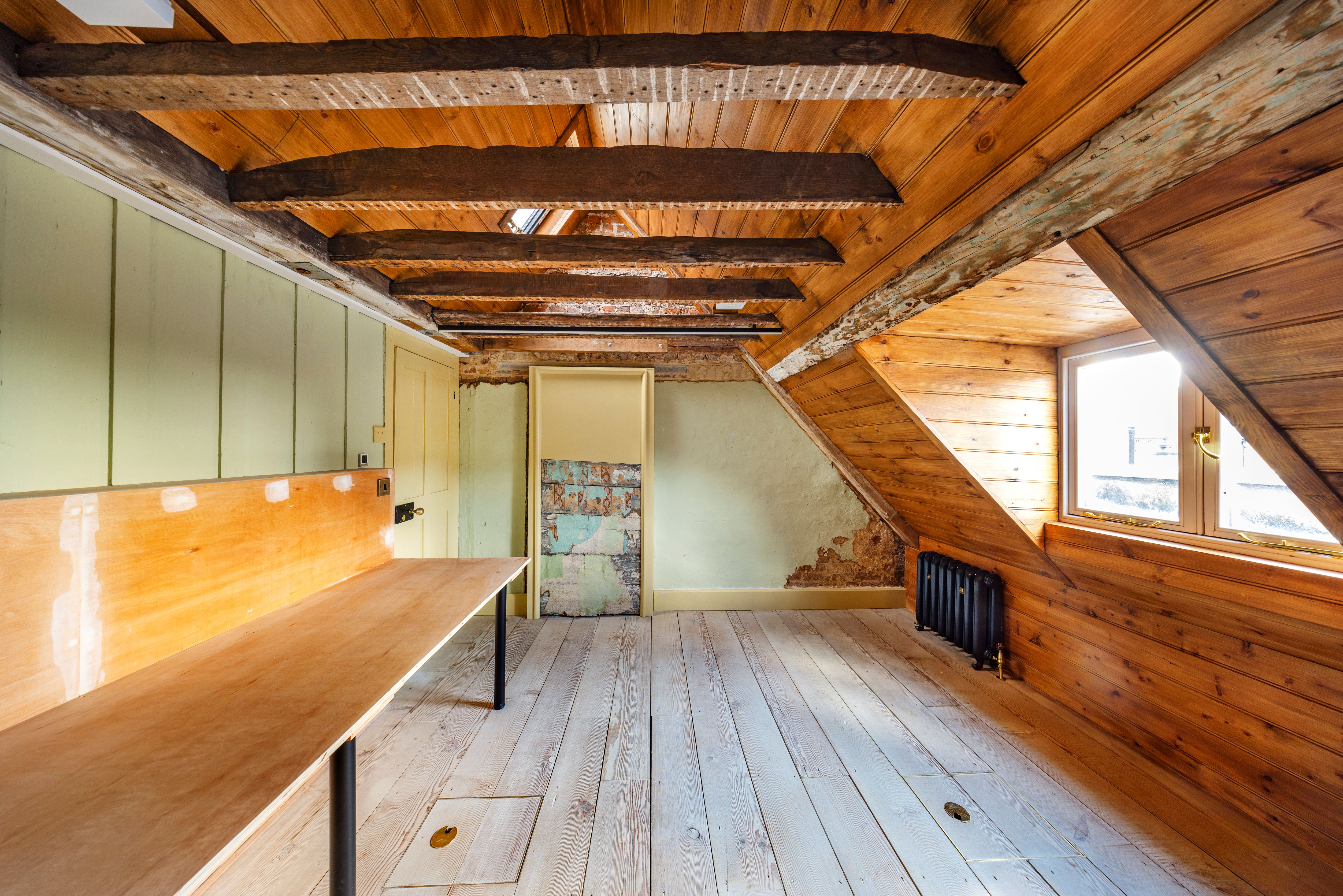
Overall this project involved use of the full ‘engineering toolbox’ with works including surveys and investigations, piling, underpinning, dewatering, concrete works, new structural timber, conservation lead timber and masonry repairs to historic fabric, temporary propping and works sequencing, structural steelwork and elements of newbuild load bearing masonry
One of the houses was split into flats, the other had been vacant since the 1980s. The proposal sensitively restored the properties to protect the fabric, and to reinstate previously lost elevations following recent unsympathetic renovations. The buildings were made accessible and more energy efficient.
Tisserin were appointed to the design team to design the new basement and glazed/ steel framed extension to the rear, along with underground drainage design and repairs to the existing listed building including the superstructure and the staircase.
Photos from Ed Hill and F3 Architects







 ↗
↗