About
Services
Projects
News & Insights
Inspiration
Contact



© 2026 Tisserin Engineers
Privacy PolicyCookie PolicyTerms & ConditionsBranding and web design:
Alice Bosc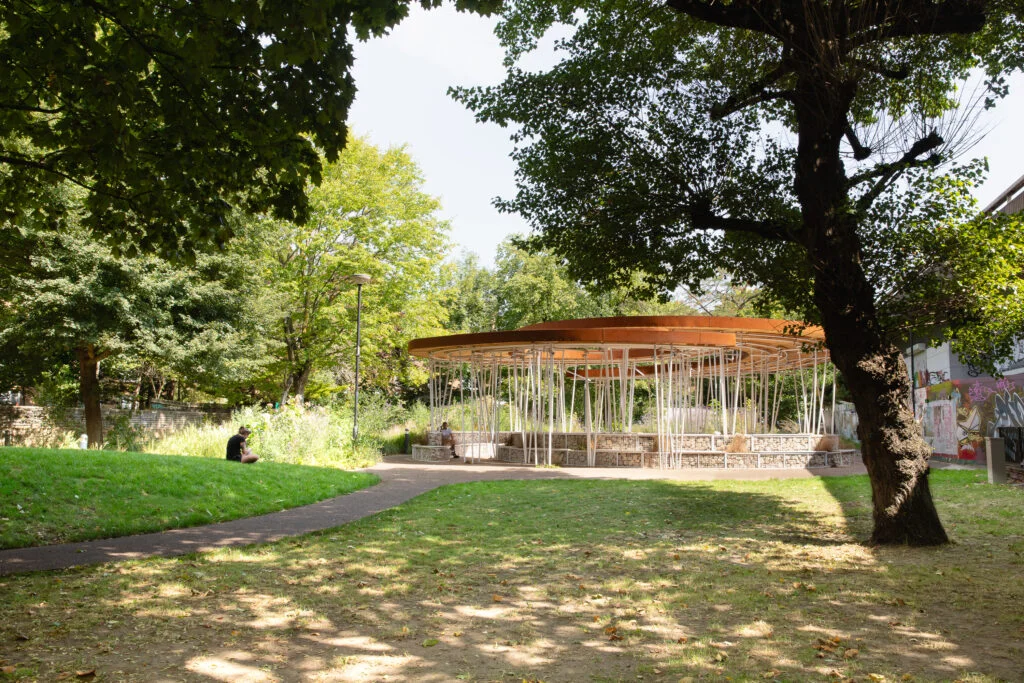

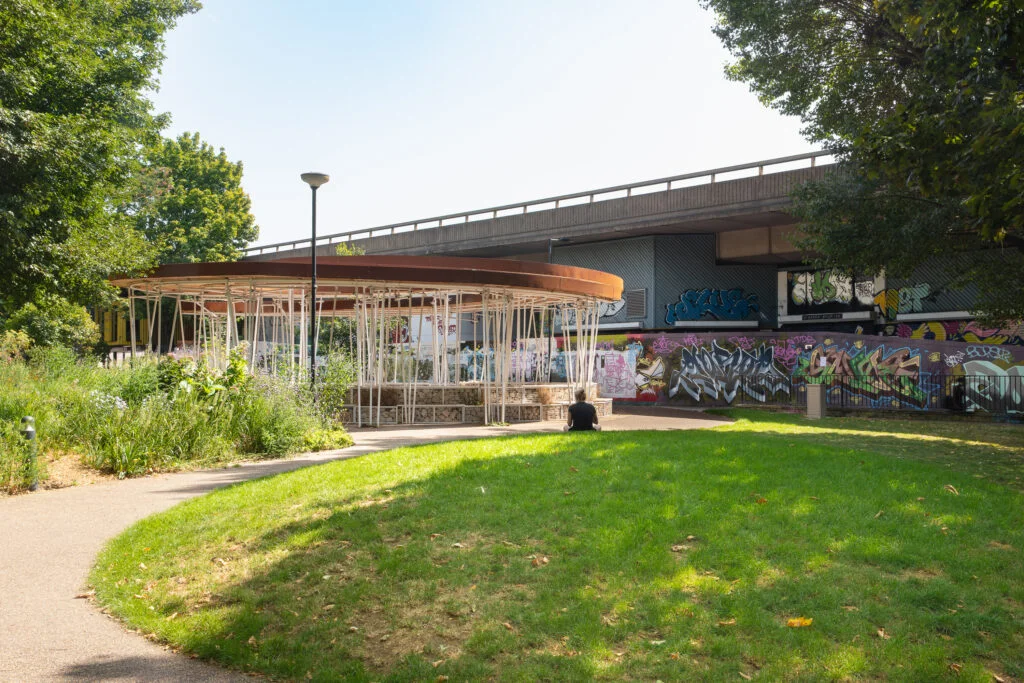
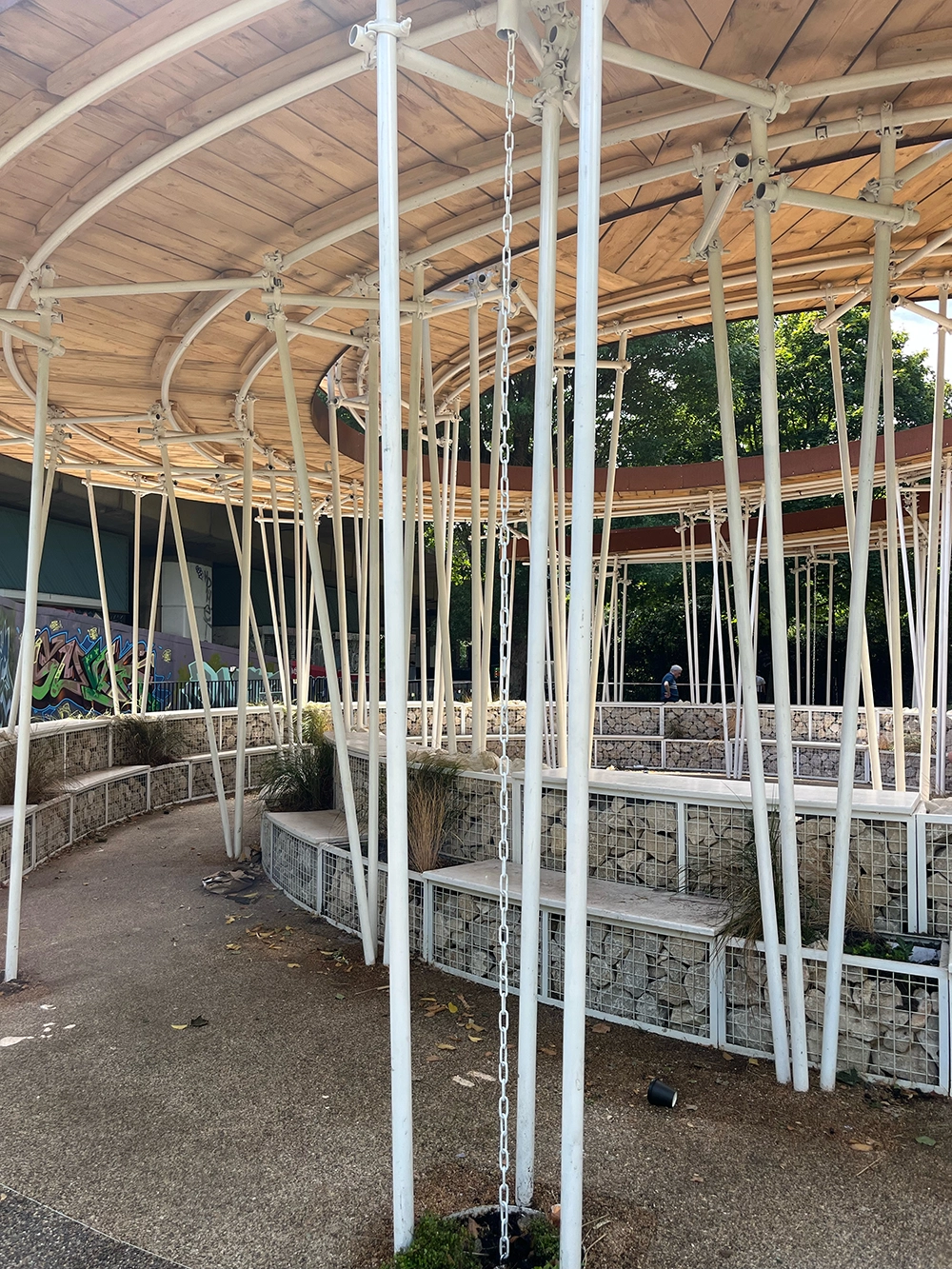
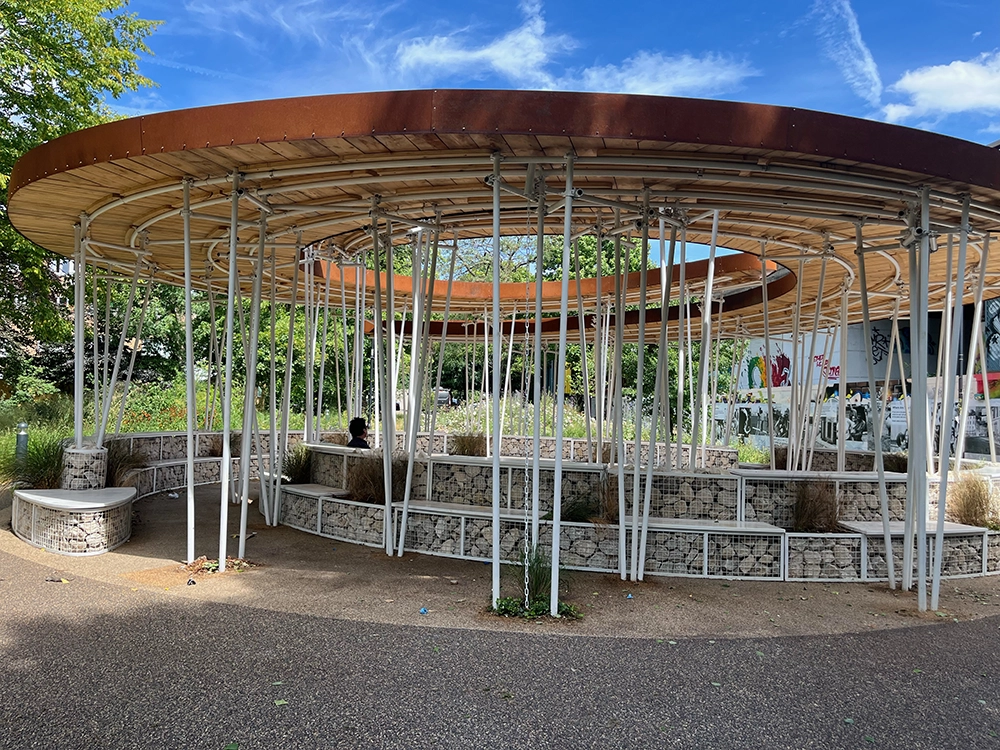
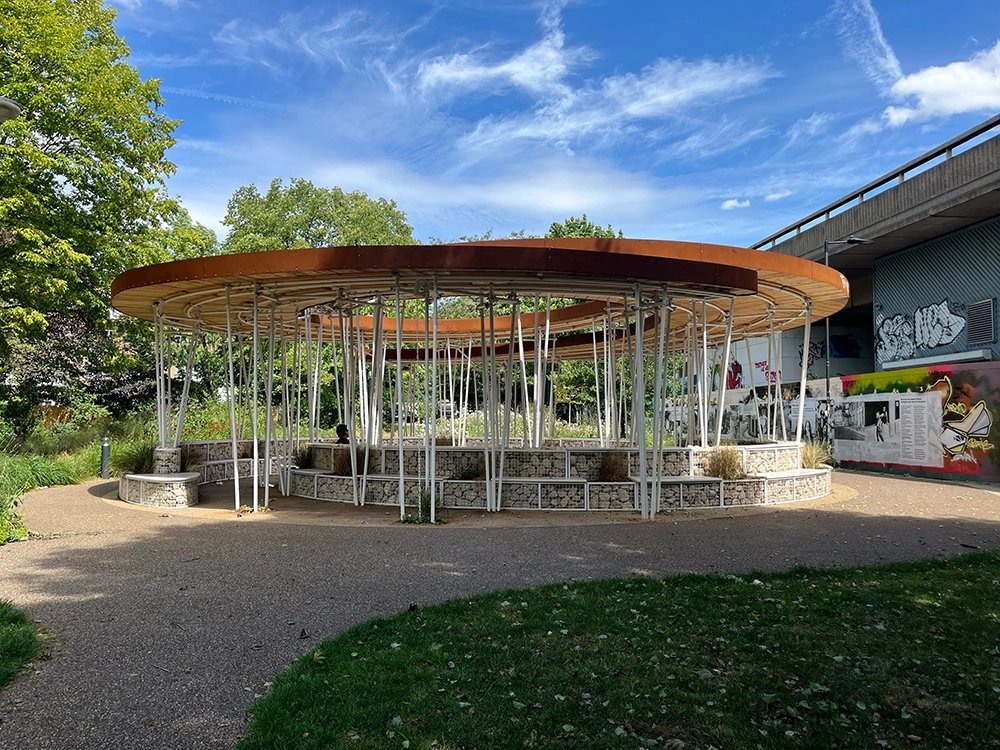
Although scaffold poles and boards are a common components within the construction industry, they are typically used as temporary structure for access platforms. The desire for this project was to demonstrate structural reuse and explore the safe limits of the material within a completely different setting. components with standard load tables, the pavilion’s form pushed beyond typical published limits.
Designed as a composite timber and scaffold structure, Tisserin Engineers identified and utilised residual strength within the materials, drawing on 3D modelling, hand calculations and life scale testing to validate structural performance.
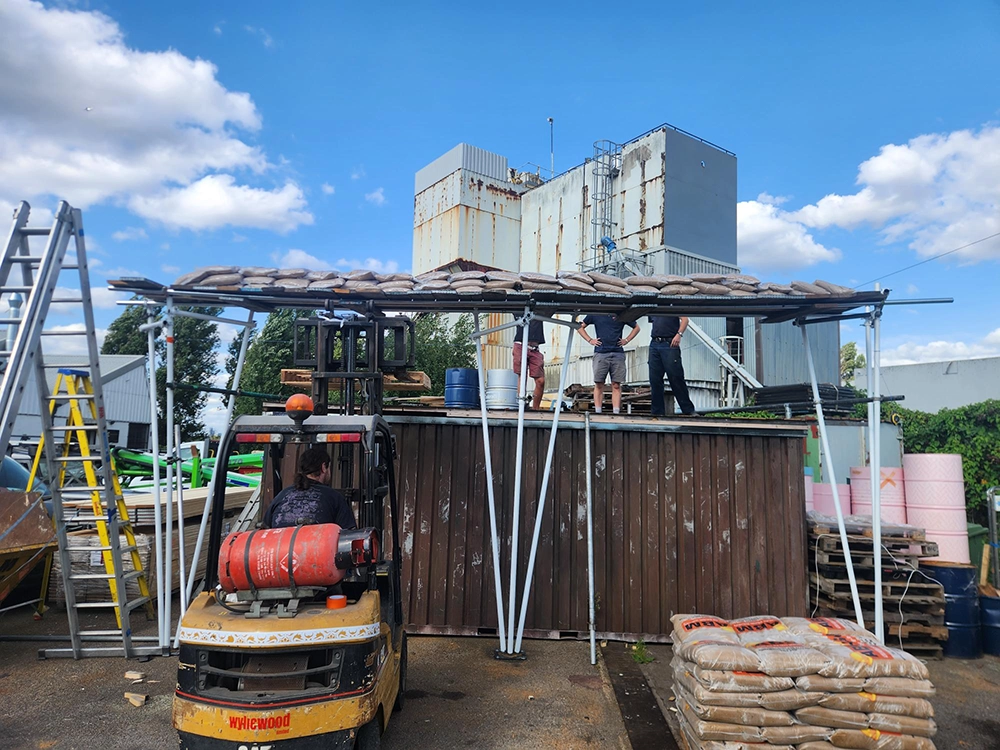
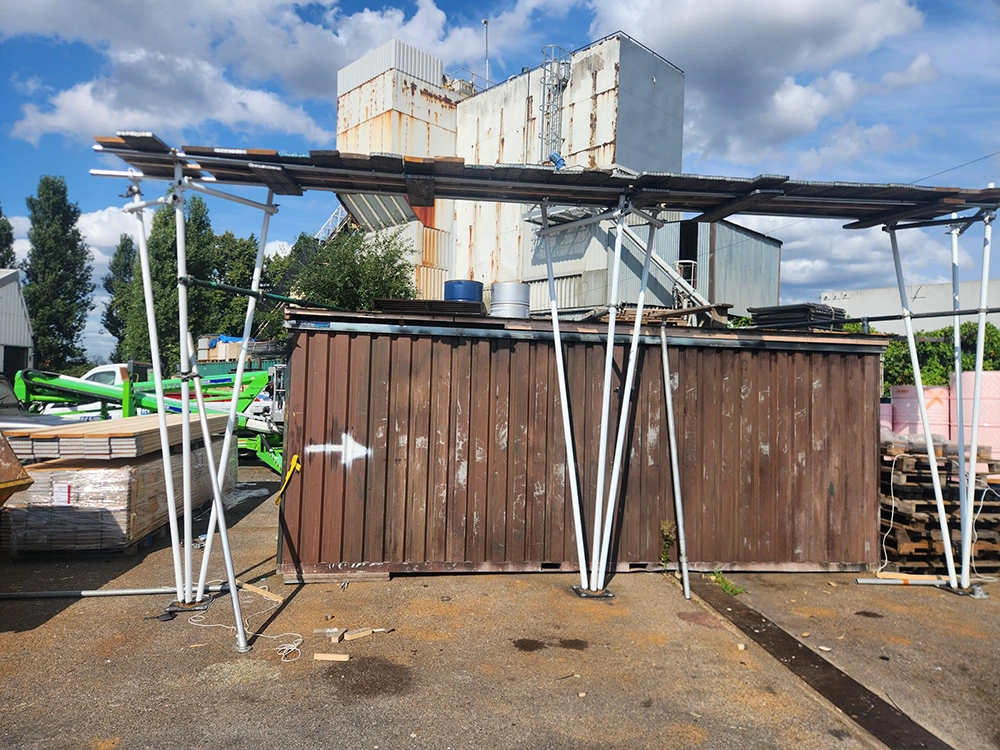
With several cantilevers integral to its doubleswirl geometry, the structure underwent close load testing at Steve Wylie’s fabrication yard. Sandbag tests measured pole deflection along their length, confirming the roof’s capacity to support the planned green roof loading. The raking slender scaffold columns act as clusters, giving the pavilion an inherently selfstabilising character. Architectural features—such as gabion seating—were strategically utilise to minimise the need for lateral bracing.
Maxilla Gardens is the result of seamless collaboration between architect, engineer and fabricator.
The team shared Rhino models throughout the design and fabrication stages, enabling precise coordination and efficient material settingout. This teamwork ensured the pavilion remained faithful to its conceptual intent while achieving practical buildability and safety.
Images George King Architects







 ↗
↗